01
Reposition Descended Tissue
The elastic lifting band is positioned beneath the skin to reposition descended soft tissues.
ElastiDream Lifting is a minimally invasive facial lifting procedure that uses an elastic lifting band to support the skin, subcutaneous tissue, and the superficial musculoaponeurotic system (SMAS). The technique is designed to improve facial contours while promoting natural facial movement and long-lasting support.

Deeper tissue, not tighter skin.
Unlike conventional thread lifts that rely on multiple barbed threads, ElastiDream uses a flexible elastic band designed to distribute lifting forces more evenly. The emphasis is on support of deeper facial tissues rather than tightening the skin alone. The band is positioned beneath the skin to reposition descended soft tissues, support the SMAS layer, improve jawline definition, reduce facial sagging, and maintain natural facial expressions.


Individual results vary. Photos are examples shown with patient consent and are not a guarantee of outcome.
The elastic lifting band is positioned beneath the skin to reposition descended soft tissues.
Support is directed at the superficial musculoaponeurotic system rather than the skin surface alone.
Improved jawline definition and reduced facial sagging are the stated contour objectives.
Maintaining natural facial expressions is an explicit objective of the technique.

| What it means in practice | |
|---|---|
| Elastic lifting band technology | A flexible band rather than multiple barbed threads |
| SMAS-based lifting concept | Deeper tissues are supported, not the skin alone |
| Personalized vector design | The direction of lift is designed for your face |
| Minimally invasive technique | Minimal visible scarring is a stated benefit |
| Customized treatment planning | The plan follows your facial analysis |
Treatment recommendations depend on each patient's anatomy and goals. A consultation and examination are required before any procedure is recommended.
The strategy targets the SMAS layer, not skin tension.
Your face is analyzed before the vector is designed.
Lifting forces are distributed more evenly.
Postoperative care forms part of the procedure.
Contour definition through deeper tissue support.
The jawline and lower face are the primary targets.
Natural facial movement is preserved by design.
A minimally invasive technique with minimal visible scarring.
Treatment recommendations depend on each patient's anatomy and goals. A consultation and examination are required.
Temporary swelling, bruising, tenderness, and tightness may occur.
Recovery varies according to the extent of treatment.
Recovery also varies with individual healing.
Postoperative care is structured around your procedure.
Your surgeon provides a recovery timeline based on the specific procedure rather than a single universal schedule.
A message from the surgeon, a look inside the clinic, and stories from patients.

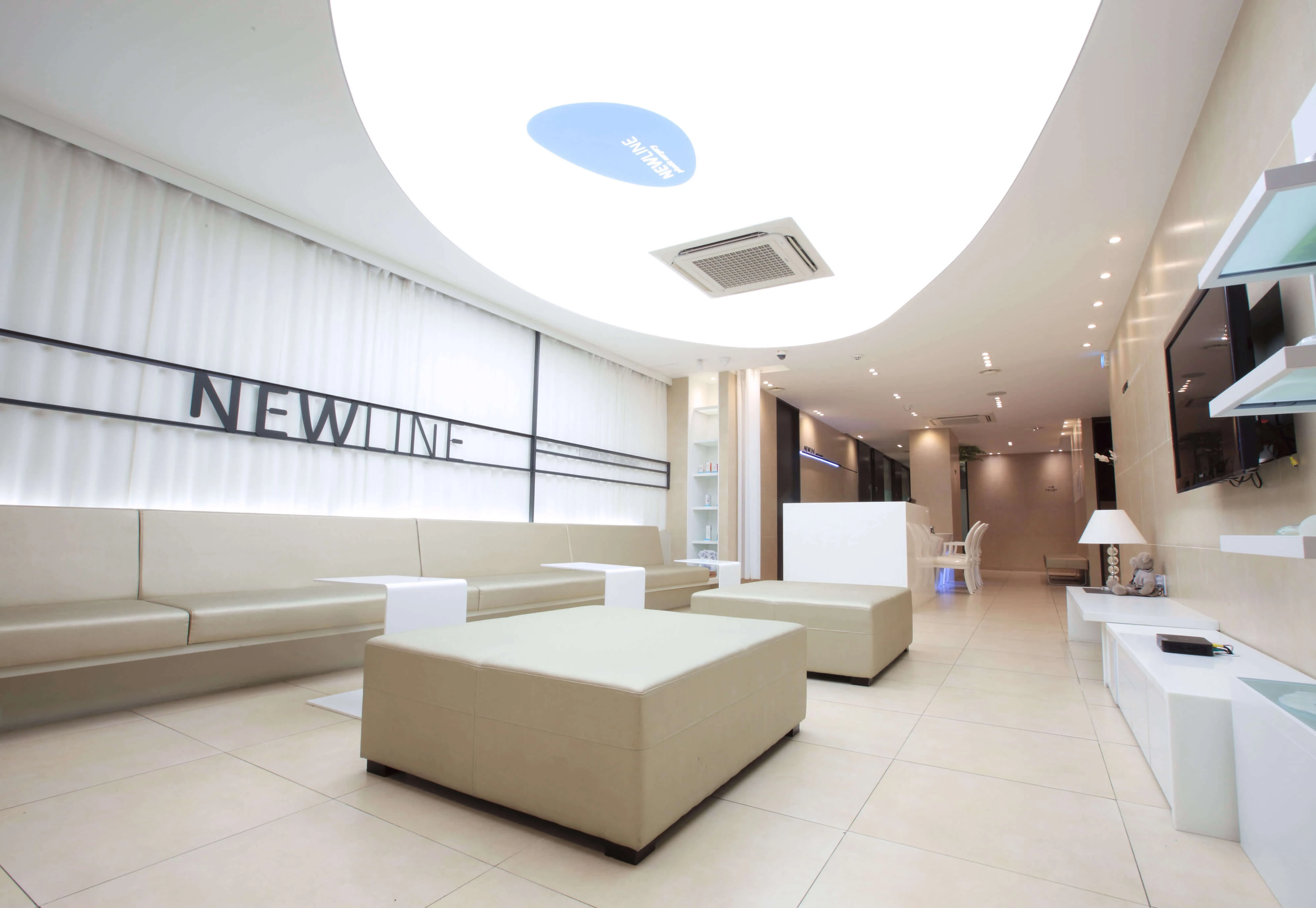

Set each block's data-video to your YouTube video ID to enable playback.
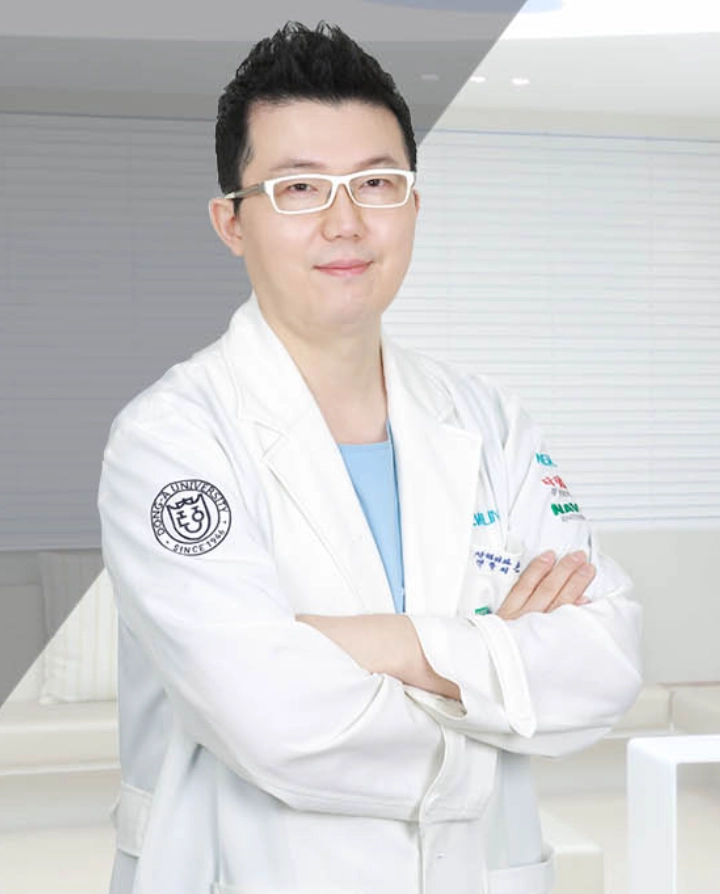 Surgeon Portrait
Tighten the skin and the face looks pulled. Support the SMAS and it looks lifted.
That is the entire argument for going deeper — and the reason a face can still move afterwards, which is what patients actually notice first.
Personalized facial analysis and vector design determine whether SMAS-based lifting suits you — or whether a different option matches your degree of sagging better.
Individual results and recovery experiences vary. This page is provided for general educational purposes and does not constitute a diagnosis, treatment recommendation, or guarantee of results. Minimally invasive lifting procedures involve potential risks, including swelling, bruising, tenderness, tightness, infection, asymmetry, dimpling or irregularity of the skin surface, palpable or extruding material, altered sensation, scarring, dissatisfaction with the outcome, the possible need for additional treatment, and loss of the initial lifting effect over time. Whether a procedure is suitable, and the outcome that can be expected, can only be determined following an in-person examination and consultation with a qualified medical professional. Newline Clinic is licensed under the Korean Medical Service Act.
Send your details and our international team will get back to you. No obligation — just a starting point.